
Modern Wedding Ceremony Unity Ideas
When planning a wedding ceremony, couples often focus on the big moments — the walk down the aisle, the vows, the first kiss — but it’s the personal touches in between that truly make the ceremony memorable. One of the most meaningful ways to personalize your ceremony is through a wedding unity ceremony.
Wedding ceremony unity ideas symbolize the joining of two lives, families, and stories into one. Whether you’re drawn to something traditional, modern, or completely non-traditional, a unity ceremony allows you to reflect your relationship in a way that feels intentional and authentic. From classic unity candles to creative alternatives that feel more “you,” there are endless ways to make this moment special.
In this post, we’re sharing wedding ceremony unity ideas that couples love — including meaningful, modern, and unique options to help you choose a unity ceremony that fits your values, personalities, and wedding style. Whether you want something symbolic, interactive, or deeply personal, these ideas are designed to help you create a ceremony moment you’ll remember forever.
What Is a Wedding Ceremony Unity?
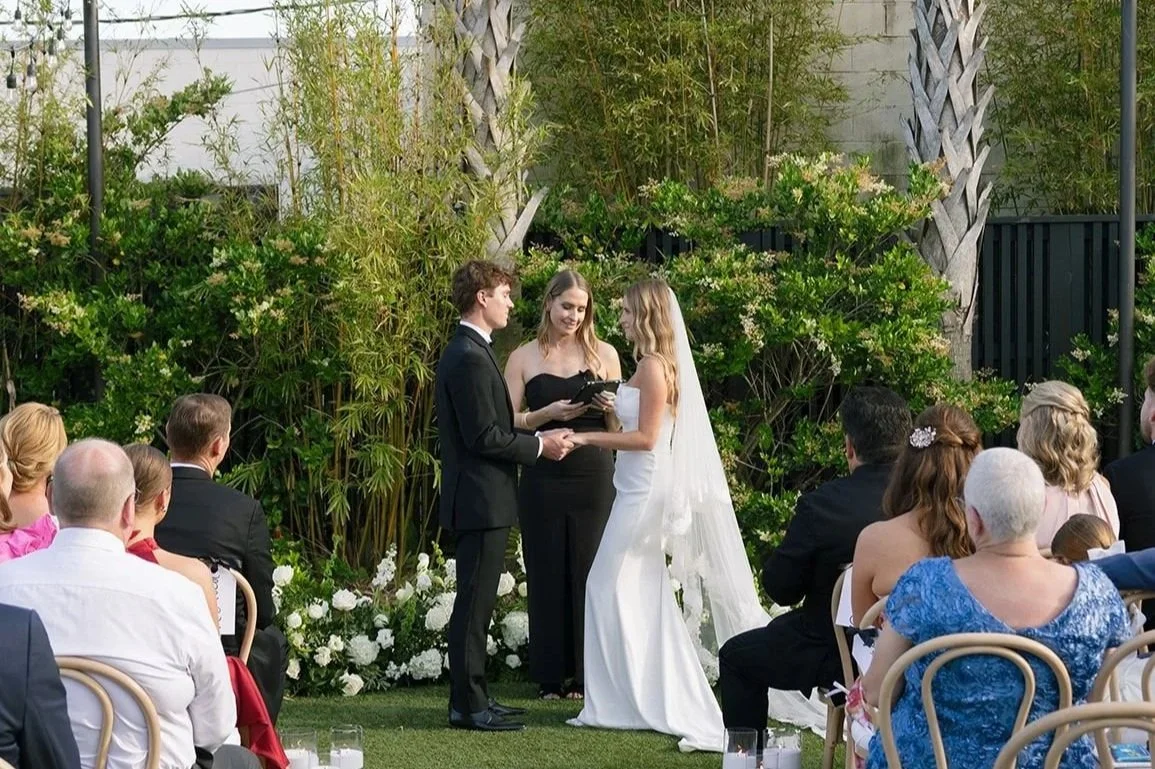
A wedding ceremony unity (often called a unity ceremony) is a symbolic ritual that represents two individuals coming together as one. It typically takes place during the wedding ceremony, often after the exchange of vows, and serves as a visual and meaningful expression of commitment, partnership, and shared life.
Unity ceremonies are completely optional, but many couples choose to include one because it adds a personal and intentional moment to the ceremony. Rather than being spoken, a unity ceremony shows the joining of two lives in a way guests can see and understand. This can be especially meaningful for couples who value symbolism, tradition, or creating a ceremony that feels uniquely their own.
There is no single “right” way to do a wedding unity ceremony. Some couples opt for traditional options like a unity candle or sand ceremony, while others choose modern or non-traditional unity ideas that better reflect their personalities, values, or shared interests. Unity ceremonies can be religious, spiritual, or completely secular — and they can also be adapted to include children, blended families, or loved ones.
At its core, a wedding unity ceremony is about intention. It’s a moment to pause during the ceremony and acknowledge the significance of what’s happening: two people choosing to build a life together. Whether simple or elaborate, a unity ceremony adds depth and meaning to the wedding ceremony without needing to be long or complicated.
Do You Need a Unity Ceremony at Your Wedding?
The short answer is no — a unity ceremony is not required for your wedding. Many beautiful and meaningful ceremonies happen without one, and your marriage is just as valid whether or not you include a unity ritual.
That said, a wedding unity ceremony can be a meaningful addition for couples who want to visually represent the joining of their lives during the ceremony. Some couples love the symbolism and structure it provides, while others prefer to keep their ceremony simple and focused on vows and readings. Both approaches are completely valid.
You might consider including a unity ceremony if:
You enjoy symbolic moments
You want a visual representation of your commitment
You’re blending families or including children in the ceremony
You want to slow down and add intention to the ceremony flow
On the other hand, you may choose to skip a unity ceremony if:
You prefer a shorter or more streamlined ceremony
You don’t connect with symbolic rituals
You’d rather personalize your ceremony through vows or readings instead
You feel the moment doesn’t reflect your relationship
The most important thing to remember is that a unity ceremony should feel authentic, not obligatory. If it adds meaning to your ceremony, it’s worth including. If it feels forced or unnecessary, it’s okay to leave it out. Your wedding ceremony should reflect you — not what tradition or trends suggest you “should” do.
If you’re unsure, a wedding planner or officiant can help you decide how (or if) a unity ceremony fits naturally into your ceremony structure and overall vision.
Traditional Wedding Ceremony Unity Ideas
Traditional wedding ceremony unity rituals have been used for generations to symbolize the joining of two individuals, families, or lives into one. These unity ceremonies are often rooted in cultural, religious, or historical traditions and are still popular today for couples who appreciate symbolism and timeless meaning.
Traditional unity ceremonies are typically simple, visually clear for guests, and easy to incorporate into a ceremony without disrupting the flow. They work well for couples who want a meaningful ritual that feels familiar, intentional, and respectful of tradition.
Here are some of the most common traditional wedding ceremony unity ideas:
Unity Candle Ceremony
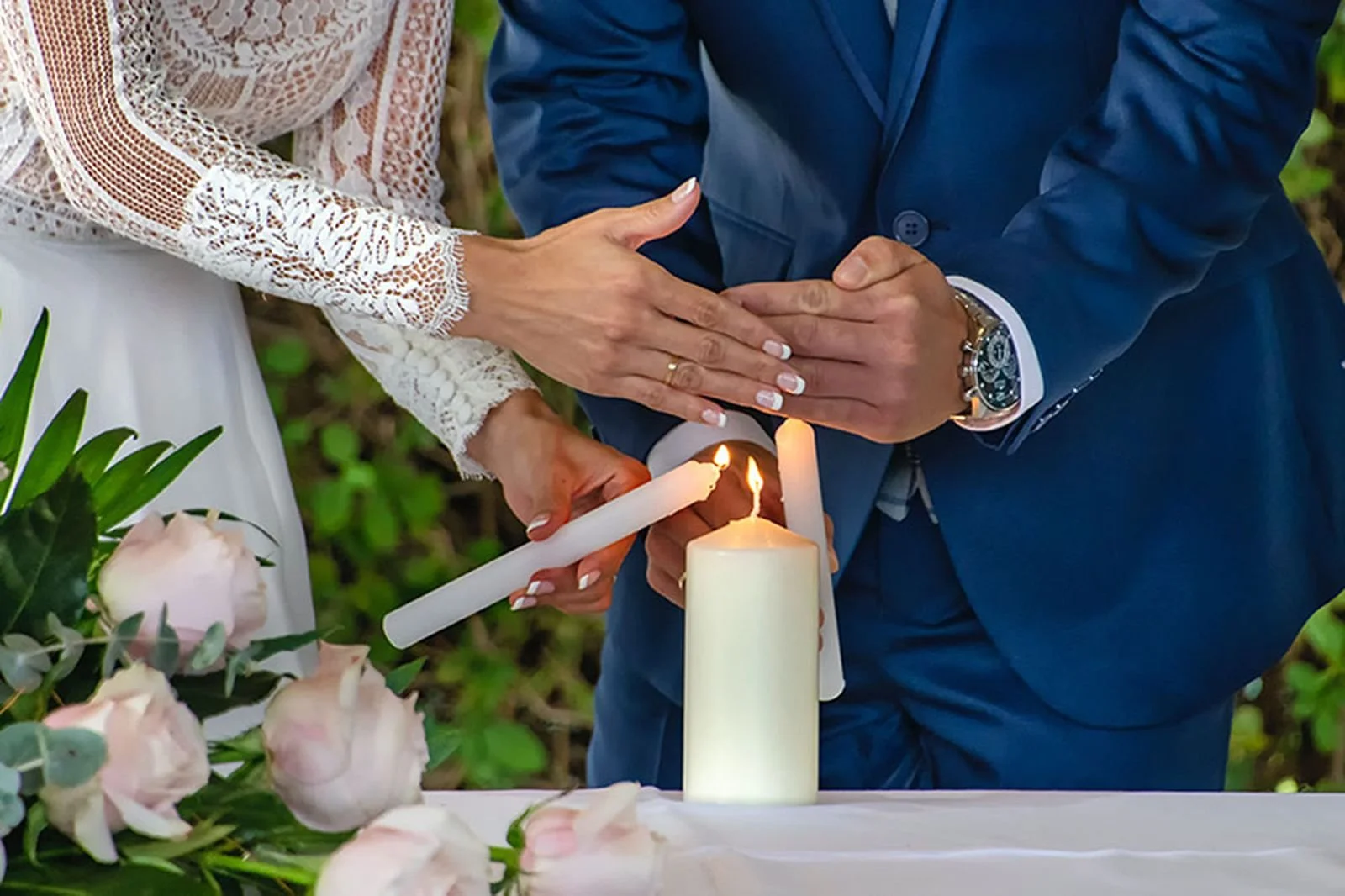
A unity candle ceremony is one of the most classic and widely recognized wedding unity rituals. It symbolizes two individuals coming together to create one shared life and marriage. Because of its simplicity and powerful visual meaning, the unity candle ceremony has remained a popular choice for decades.
During a unity candle ceremony, each partner typically lights a taper candle, then together use those flames to light a larger central candle. This act represents two separate lives joining into one union. In some ceremonies, parents or loved ones light the taper candles at the beginning, symbolizing the families that raised and supported each partner before the marriage.
Unity candle ceremonies work especially well for indoor weddings, where wind and weather aren’t a concern. They fit seamlessly into religious, spiritual, and non-denominational ceremonies and are easy for guests to understand without explanation. The symbolism is clear, timeless, and emotionally resonant.
Sand Ceremony
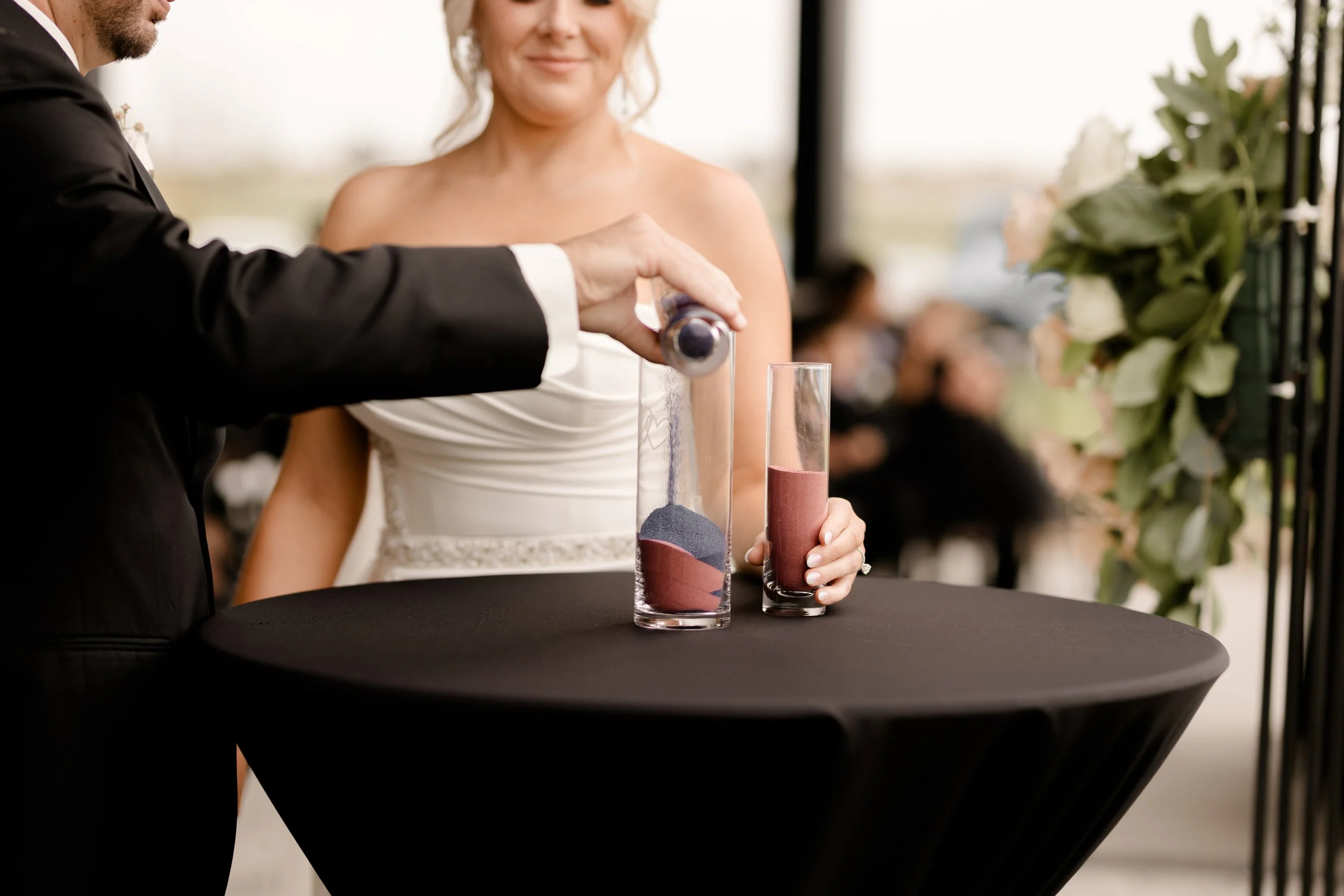
A sand ceremony is a popular wedding unity ritual that symbolizes two lives being joined into one. During the ceremony, each partner pours a different color of sand into a single vessel, creating a layered design that can never be separated — representing the permanence of marriage and the blending of two lives, families, or journeys.
Sand ceremonies are especially popular for outdoor weddings, beach weddings, and destination weddings because they’re visually meaningful and not affected by wind in the same way as candles. They’re also highly customizable, allowing couples to choose colors that match their wedding palette or hold personal significance.
One of the reasons couples love sand ceremonies is their inclusivity. Children or family members can easily be incorporated by having each person add their own sand to the vessel, making this unity ceremony a meaningful option for blended families or couples who want to honor loved ones during the ceremony.
Handfasting Ceremony
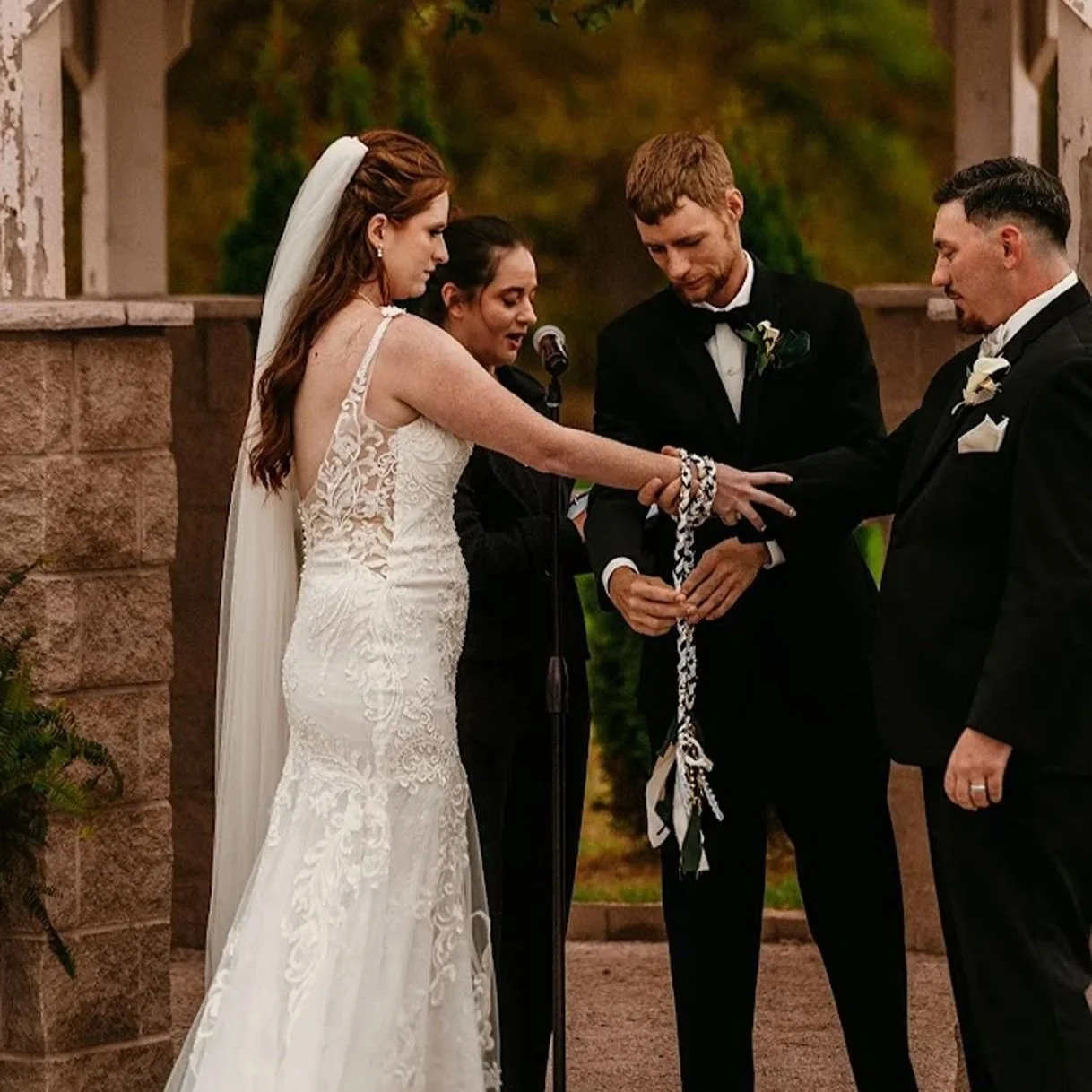
A handfasting ceremony is a meaningful wedding unity ritual rooted in ancient Celtic tradition. Historically, handfasting symbolized an engagement or marriage agreement, with the couple’s hands bound together to represent their commitment to one another. Today, it has evolved into a symbolic and customizable unity ceremony used in both spiritual and non-denominational weddings.
During a handfasting ceremony, the couple joins hands while an officiant gently wraps ribbon, cord, or fabric around them. The binding represents the intertwining of two lives, promises, and futures. Some couples choose a single wrap, while others incorporate multiple cords or colors — each symbolizing values like love, trust, family, or strength.
Handfasting ceremonies are popular because they are highly personal and flexible. The materials, colors, and wording can be customized to reflect the couple’s personalities, cultural heritage, or wedding aesthetic. This makes handfasting a great option for couples who want a unity ceremony that feels intentional without being overly formal or traditional.
Braiding Ceremony
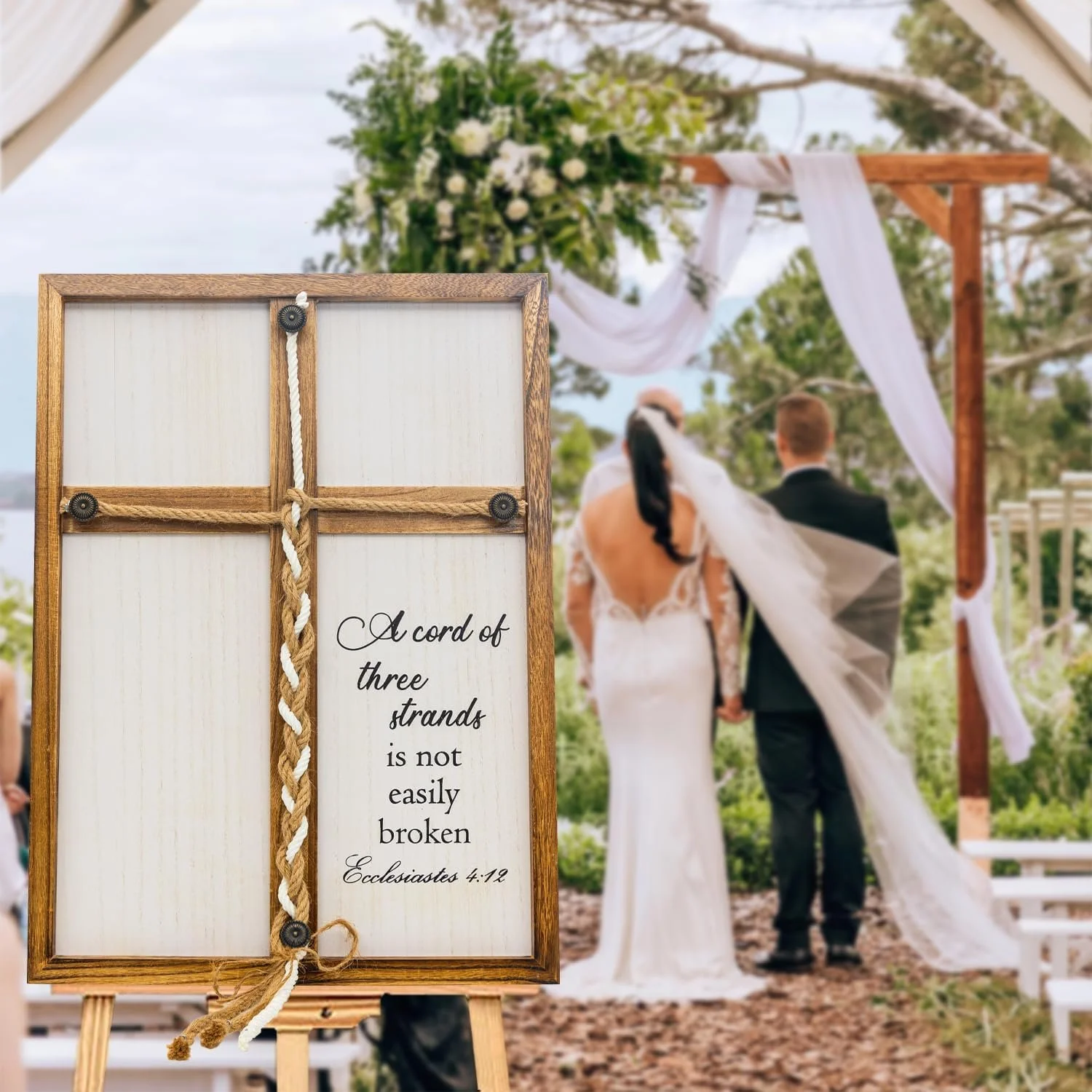
A braiding ceremony is a meaningful wedding unity ritual that symbolizes two lives being woven together into one strong bond. During the ceremony, strands of cord, ribbon, or fabric are braided together by the couple — sometimes with the help of an officiant or loved ones — representing unity, strength, and interdependence.
Each strand often carries its own meaning. Couples may choose different colors or materials to represent individual identities, shared values, family, faith, or the life they are building together. Once braided, the strands create a single cord that reflects how two separate lives remain distinct while becoming stronger together.
Foot Washing Ceremony
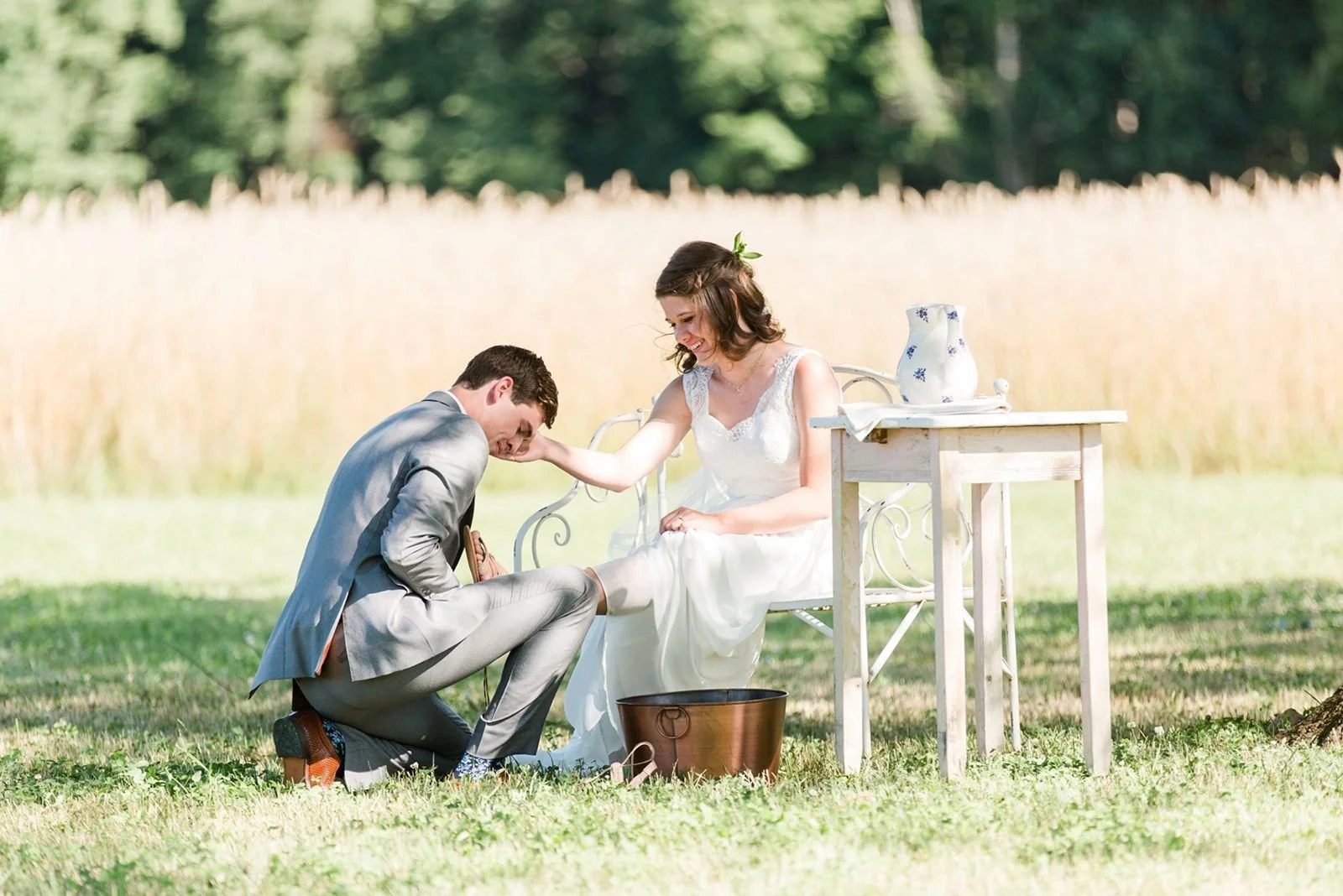
A foot washing ceremony is a deeply symbolic wedding unity ritual rooted in humility, service, and unconditional love. Traditionally associated with religious or spiritual ceremonies, foot washing represents the couple’s commitment to serve one another with compassion, respect, and selflessness throughout their marriage.
During the ceremony, one partner gently washes the other’s feet — sometimes reciprocated — symbolizing a willingness to care for one another in both joyful and challenging moments. Rather than being about hierarchy, the act reflects mutual devotion, humility, and the promise to support one another fully in marriage.
Handwashing Ceremony
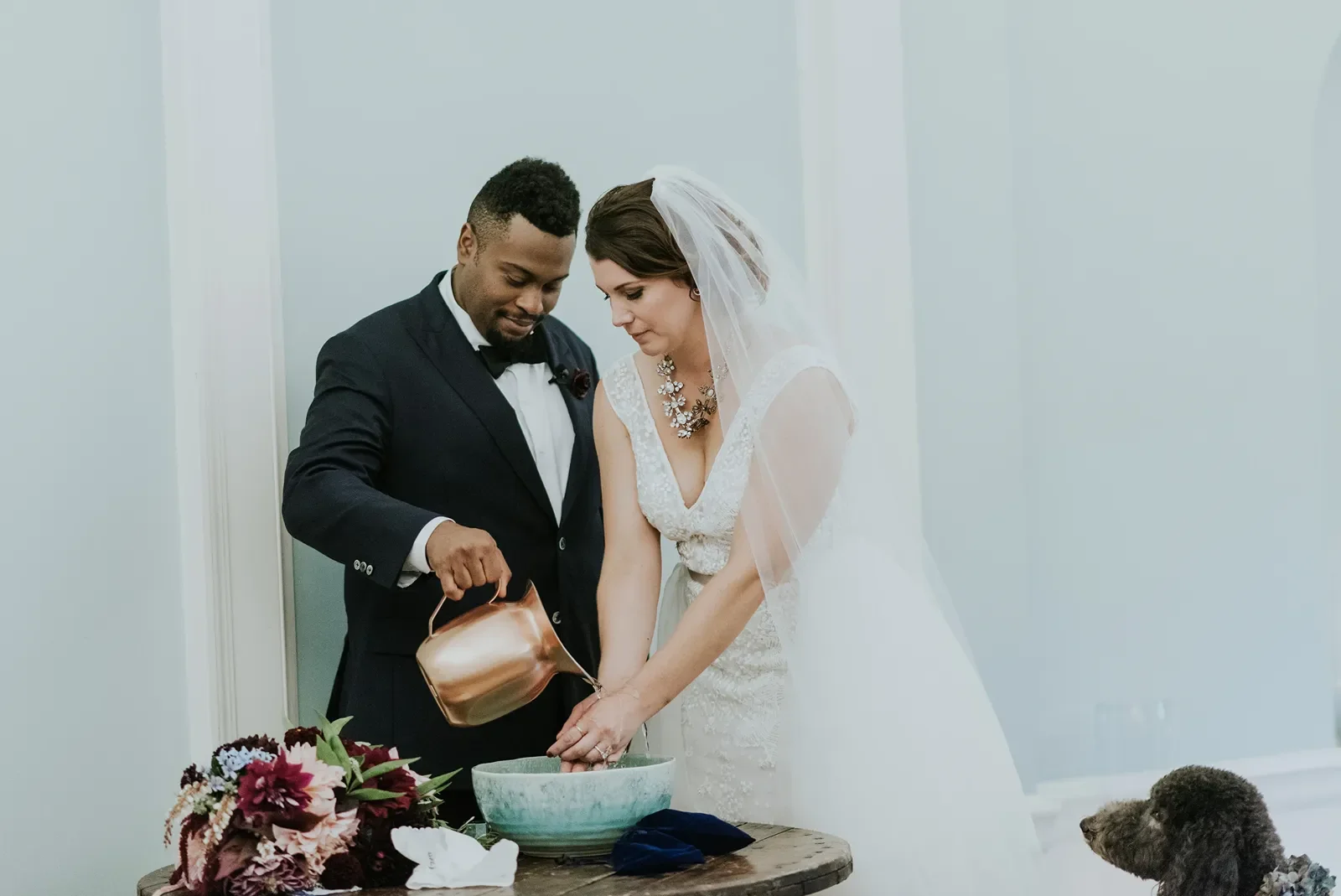
A handwashing ceremony is a meaningful wedding unity ritual that symbolizes purity, renewal, and the intention to enter marriage with open hearts and clean hands. During the ceremony, the couple pours water over one another’s hands — either together or one at a time — representing the washing away of past burdens and the commitment to begin their marriage with honesty, grace, and mutual respect.
Handwashing ceremonies are often chosen by couples who want a unity ritual that feels symbolic yet understated. Unlike more elaborate unity ceremonies, handwashing is quiet, reflective, and visually simple, making it well-suited for intimate weddings or ceremonies that prioritize mindfulness and intention. It can be religious, spiritual, or completely secular depending on the wording used by the officiant.
Modern Wedding Ceremony Unity Ideas
For couples who want their ceremony to feel personal, meaningful, and reflective of who they are today, modern wedding unity ideas offer a fresh alternative to traditional rituals. These unity ceremonies move beyond candles and sand, focusing instead on shared values, experiences, and symbolism that feels authentic to your relationship.
Modern unity ceremonies are often more flexible and creative, allowing couples to design a moment that aligns with their personalities, interests, and wedding style. They work especially well for couples who want a ceremony that feels intentional without being overly formal or rooted in tradition.
What makes modern unity ideas so appealing is that there are no strict rules. They can be symbolic, interactive, sentimental, or even playful — as long as they feel true to you. Whether simple or creative, modern unity ceremonies give couples the freedom to personalize their ceremony in a way that feels natural, memorable, and deeply meaningful.

Tree Planting Ceremony Unity
A tree planting ceremony is a modern wedding unity idea that symbolizes growth, stability, and the shared future a couple is building together. During the ceremony, the couple plants a tree or adds soil or water together, representing the roots they’re putting down as they begin married life.
This unity ceremony is especially popular with couples who love nature, value sustainability, or want a meaningful ritual that lasts beyond the wedding day. As the tree grows, it becomes a living reminder of the commitment made during the ceremony.
Tree planting ceremonies work best for outdoor weddings or venues that allow planting on-site. If planting at the venue isn’t an option, couples can plant the tree in a container during the ceremony and replant it at home later. When planned thoughtfully, this unity idea adds a beautiful, intentional moment to the ceremony.
Time Capsule Unity
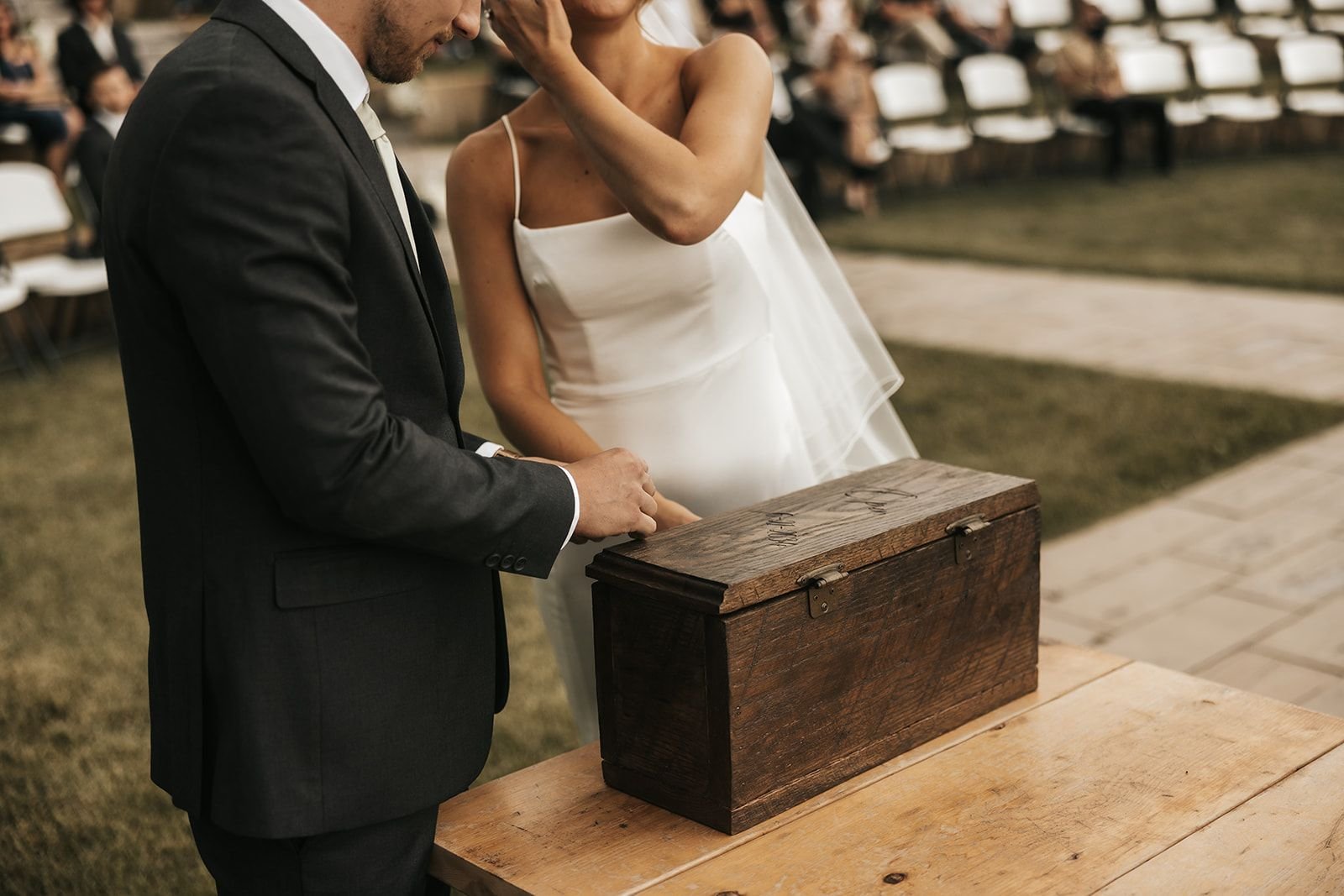
A time capsule unity ceremony is a modern and deeply personal way to symbolize the beginning of your marriage. During the ceremony, couples place meaningful items — such as handwritten letters to each other, photos, or small keepsakes — into a container that is sealed and saved to be opened on a future anniversary.
This unity ceremony is especially meaningful for couples who value reflection and storytelling. Rather than focusing on a visual ritual, a time capsule captures emotions, promises, and memories from the wedding day, allowing you to revisit them years later. Many couples choose to open their time capsule on a milestone anniversary, creating a meaningful tradition beyond the wedding day itself.
From a planning perspective, time capsule ceremonies are simple and flexible. They work well for indoor or outdoor weddings and can be customized to include children, family members, or even notes from loved ones. When thoughtfully explained by the officiant, a time capsule unity ceremony becomes a heartfelt moment that connects your wedding day to your future together.
Branding Ceremony
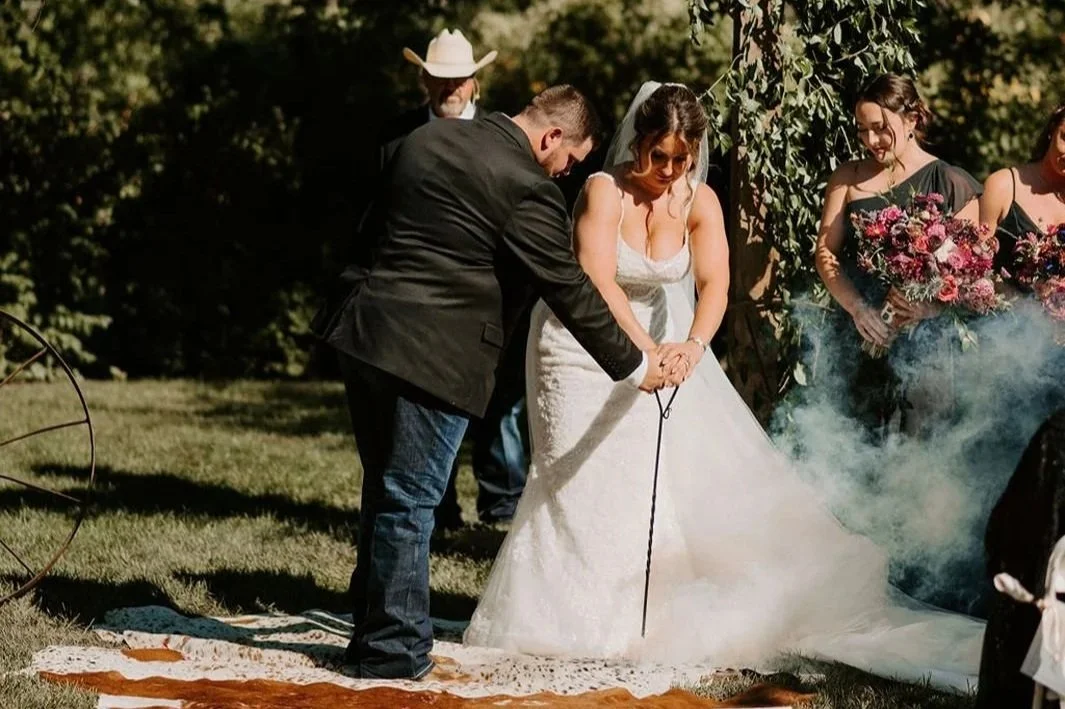
A branding ceremony is a bold and highly symbolic unity ritual that represents permanence, commitment, and shared identity. Rooted in historical and cultural traditions, branding ceremonies have been reimagined by modern couples as a deeply intentional way to mark the joining of two lives.
During a wedding branding ceremony, couples typically use a custom brand or symbol that represents their union. This can be done in a variety of ways — from branding a piece of wood, leather, or another meaningful object, to using a heated or engraved symbol on an item that will be kept as a keepsake. The focus is not on pain or shock value, but on symbolism, intention, and permanence.
Ring Warming Ceremony
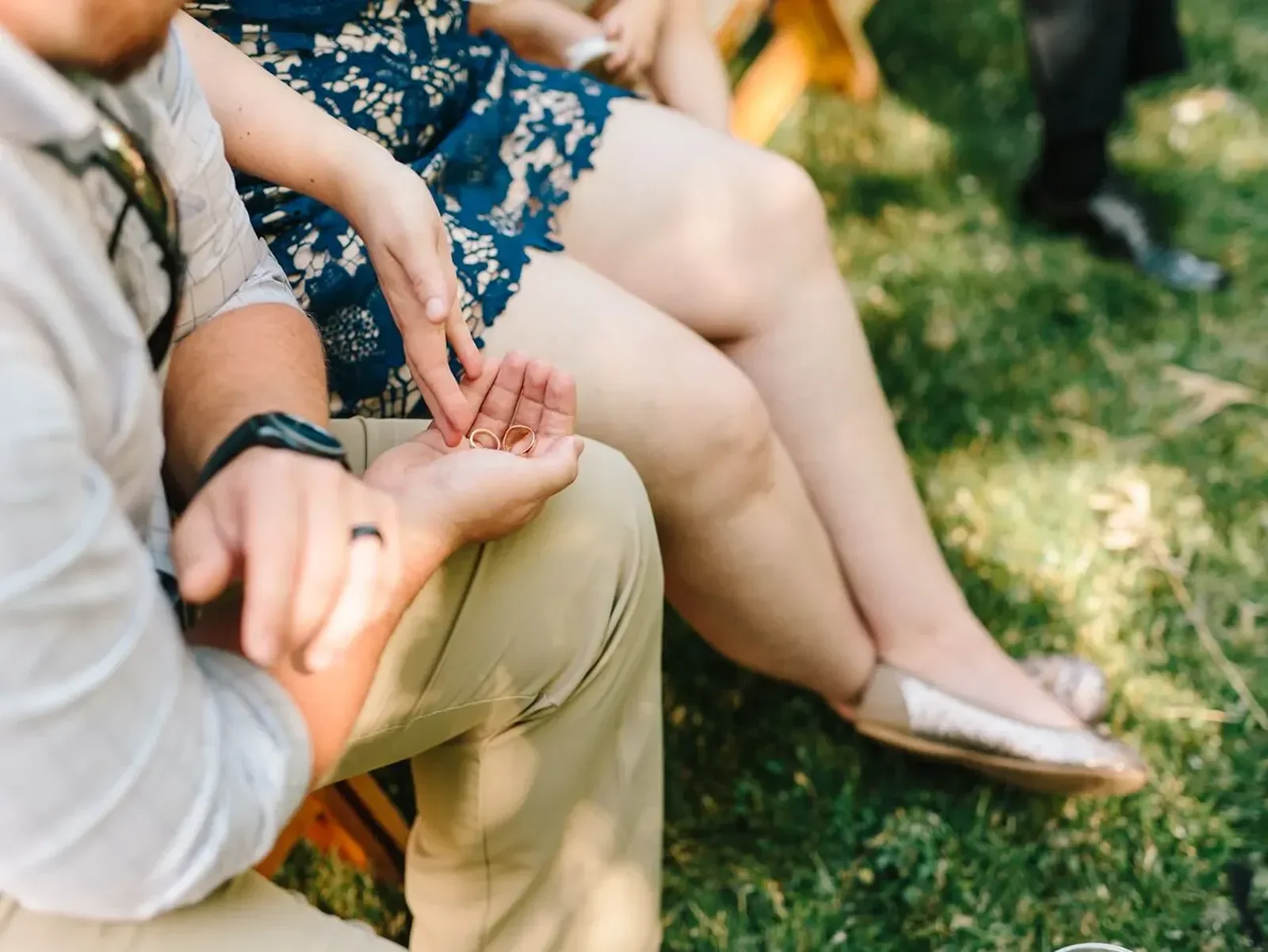
A ring warming ceremony is a heartfelt wedding unity ritual that invites guests to take part in the couple’s commitment. During the ceremony, the wedding rings are passed among guests, who silently offer well-wishes, prayers, or positive intentions before the rings are exchanged.
This unity ceremony is especially meaningful for couples who value community, connection, and inclusion. Rather than focusing on a physical ritual between just the two partners, a ring warming ceremony acknowledges the role loved ones play in supporting the marriage. By the time the rings return to the couple, they symbolically carry the love and encouragement of everyone present.
At the end of the day, ceremony unities are less about tradition and more about intention. Whether you choose something timeless, modern, symbolic, or entirely unexpected, the most meaningful unities are the ones that feel true to you as a couple. There is no right or wrong choice—only what best represents your relationship, your values, and the life you’re building together.
Remember, a unity moment isn’t required for your ceremony to be beautiful or complete. Some couples love the symbolism and shared experience it brings, while others prefer to keep their ceremony simple and focused on their vows. Both approaches are equally valid, and your wedding day should reflect what feels authentic—not what you feel pressured to include.
If you do decide to incorporate a unity, think beyond what it looks like and focus on what it represents. The best ceremony unities feel natural within the flow of your ceremony and add meaning without distraction. With thoughtful planning and intentional choices, your unity moment can become one of the most memorable parts of your wedding day—one that truly tells your story.
And if you’re still unsure which direction to take, that’s okay too. This is where having a planner comes in handy. We help couples walk through these decisions every day, ensuring your ceremony feels personal, seamless, and uniquely yours from start to finish.